


Please Leave Us A Message
Privacy statement: Your privacy is very important to Us. Our company promises not to disclose your personal information to any external company with out your explicit permission.


12 fiber cable is a structured optical communication medium designed to transmit data via twelve individual glass or plastic fibers housed within a protective jacket. Unlike single-fiber solutions, this configuration provides built-in redundancy and the capacity to support multiple data channels simultaneously, making it a foundational component in modern telecommunications infrastructure.
For procurement professionals, understanding the anatomy of a 12-strand fiber optic cable is critical for selecting the right product for your project. These cables are engineered to balance high bandwidth with manageable physical bulk, allowing them to fit into existing ductwork while providing ample capacity for future network expansion.
Whether you are deploying FTTH (Fiber to the Home) networks, establishing data center interconnects, or building metropolitan area networks, choosing the correct 12 fiber cable specification ensures long-term reliability and minimizes costly retrofits down the line.
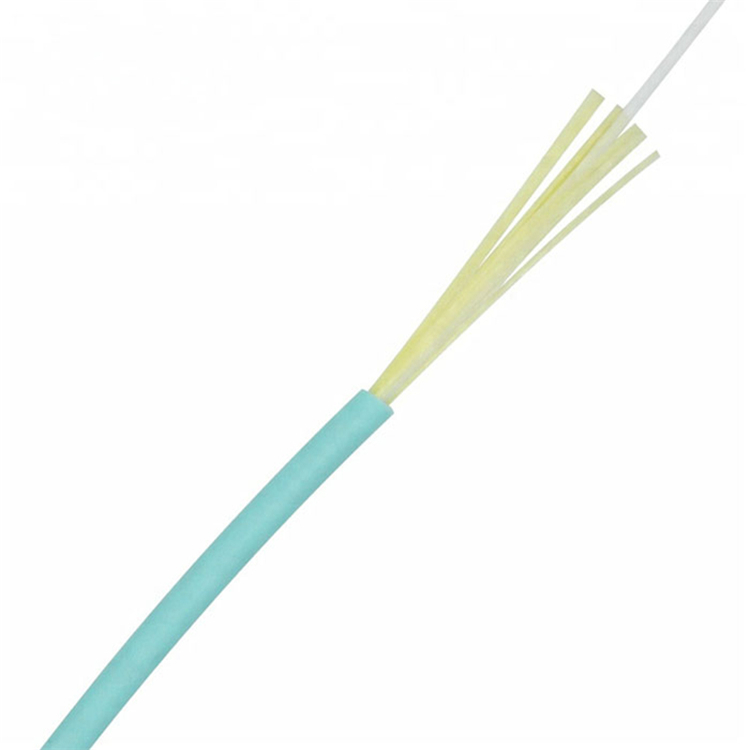
Shenzhen Guangtong Optical Co., Ltd has been a trusted manufacturer in the telecommunications industry since 2010. As a high-tech enterprise specializing in research, development, production, and sales, we deliver high-performance 12 fiber cable solutions that meet the rigorous demands of global buyers.
Our manufacturing facility is equipped with advanced production and testing machinery capable of producing various fiber cable types, including SZ stranded cables, central tube cables, all-dielectric self-supporting (ADSS) cables, and drop cables. This versatility allows us to tailor our 12-strand fiber optic products to your specific environmental and technical requirements.
Every batch of 12 fiber cable we produce is strictly controlled according to the ISO 9000 quality management system. Furthermore, our raw materials comply with European Union directives and international regulatory standards, ensuring that your procurement meets both performance benchmarks and compliance obligations.
At Guangtong Optical, quality is not an afterthought—it is embedded in every stage of the manufacturing process. Our 12 fiber cables undergo comprehensive testing to guarantee signal integrity, mechanical strength, and environmental resilience.
We utilize advanced SZ stranding techniques to ensure uniform tension across all 12 strands. This method prevents micro-bending losses and maintains consistent attenuation levels, which is vital for high-speed data transmission over long distances.
Each production run is verified using state-of-the-art optical time-domain reflectometers (OTDR) and tensile testing equipment. This dual approach ensures that our 12 fiber cables meet or exceed industry standards for insertion loss, return loss, and durability.
All materials used in our 12 fiber cable construction comply with EU environmental directives and relevant international laws. This commitment to sustainability and safety reduces regulatory risks for importers and distributors worldwide.
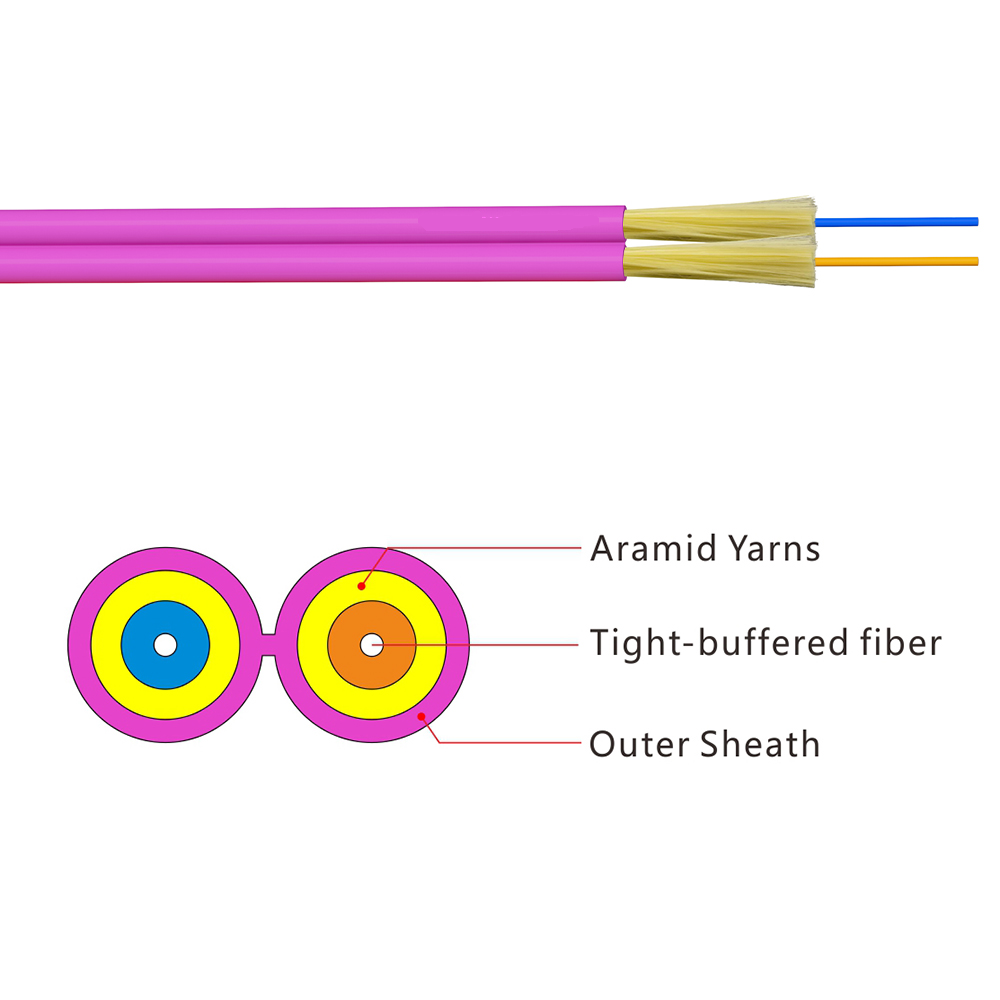
Selecting the correct 12 fiber cable variant depends heavily on the deployment environment. Indoor cables prioritize low smoke and zero halogen (LSZH) jackets for fire safety, while outdoor variants require robust armor and water-blocking gel to withstand moisture, rodents, and UV exposure.
Common structures include loose tube, tight buffer, and ribbon configurations. Loose tube designs offer superior protection against temperature fluctuations, making them ideal for aerial or underground installations. Tight buffer cables are easier to terminate and are preferred for data center patching.
Decide between Single-Mode (OS2) and Multi-Mode (OM3/OM4) fibers based on your bandwidth and distance requirements. Single-mode 12 fiber cables are best for long-distance telecommunications, whereas multi-mode options suit shorter-range data center links.
Consider the mechanical stresses your installation will face. For aerial deployments, look for cables with aramid yarn or fiberglass reinforced plastic (FRP) strength members. For direct burial, steel tape armored options provide necessary crush resistance.
Before finalizing your purchase order, use this checklist to verify that your supplier and product specifications align with your project requirements. This due diligence helps prevent supply chain delays and ensures technical compatibility.
Confirm the supplier holds valid ISO 9000 certification and that products carry relevant marks (CE, RoHS) for your target market.
Request pre-production samples to verify attenuation values, tensile strength, and jacket material quality before committing to bulk orders.
Ensure the manufacturer can meet your project timeline. Ask about current production capacity and any potential bottlenecks.
Verify that packaging protects cable drums from moisture and physical damage during transit, especially for overseas shipments.
Problem: Signal loss exceeds acceptable limits, causing network instability.
Solution: Work with manufacturers who use precision SZ stranding and conduct OTDR testing on every batch. Ensure proper handling procedures to avoid micro-bends during installation.
Problem: Moisture penetrates the cable jacket, freezing and expanding in cold weather, which damages fibers.
Solution: Specify outdoor cables with radial water-blocking gel or dry water-swellable tapes. Verify IP ratings for your specific environment.
Problem: Different production runs yield varying performance levels, complicating network planning.
Solution: Partner with established factories like Guangtong Optical that adhere to strict ISO 9000 protocols and maintain consistent raw material sourcing.
Choosing the right manufacturing partner is as important as selecting the cable itself. Based on industry reputation, production capabilities, and export experience, here are key factors to consider when evaluating suppliers.
With over a decade of experience since 2010, Guangtong Optical offers a comprehensive range of fiber communication products. Their advanced production equipment supports various cable types, and their ISO 9000 certification ensures consistent quality. They export globally to America, Europe, the Middle East, Southeast Asia, and Pacific states, demonstrating reliable logistics and compliance capabilities.
When vetting other potential suppliers, prioritize those with in-house R&D capabilities, verified quality management systems, and transparent testing reports. Look for manufacturers who offer customization options for jacket colors, strength members, and buffering styles to match your exact project specifications.
Standard lead times typically range from 7 to 15 business days for stock items, depending on the cable type and quantity. For custom specifications or large-volume orders, production may take 15 to 30 days. We recommend placing orders at least three weeks in advance to accommodate shipping and customs clearance, especially for international deliveries.
Yes, most manufacturers offer customization services. Standard indoor cables often come in white or gray jackets, while outdoor cables are typically black. You can request specific colors for identification purposes, and custom printing with your company logo, cable length markers, and date codes is usually available upon request.
Essential certifications include ISO 9000 for quality management, CE marking for European compliance, and RoHS for restricted hazardous substances. For North American markets, look for UL listing or Telcordia GR-20 standards. Additionally, environmental certifications like ISO 14001 demonstrate a commitment to sustainable manufacturing practices.
MOQ policies vary by supplier and product type. Many manufacturers set MOQs based on cable drum size (e.g., 1km, 2km, or 5km reels). Some may accept smaller quantities for prototype orders at a premium price, while others require larger volumes to justify production setup costs. Always clarify MOQ terms before confirming your purchase agreement.
Professional suppliers use multi-layer packaging: inner polyethylene bags for moisture protection, followed by corrugated cardboard or wooden crates for structural support. Large drum shipments are secured with steel straps and corner protectors. For ocean freight, desiccant packs and waterproof wrapping are standard practice to prevent humidity damage.
Yes, Guangtong Optical provides both OEM and ODM services. Whether you need private labeling, custom cable specifications, or complete product development support, their engineering team can work with you to create tailored solutions. This flexibility makes them an ideal partner for distributors and system integrators looking to differentiate their offerings.
Privacy statement: Your privacy is very important to Us. Our company promises not to disclose your personal information to any external company with out your explicit permission.
Fill in more information so that we can get in touch with you faster
Privacy statement: Your privacy is very important to Us. Our company promises not to disclose your personal information to any external company with out your explicit permission.