


Please Leave Us A Message
Privacy statement: Your privacy is very important to Us. Our company promises not to disclose your personal information to any external company with out your explicit permission.


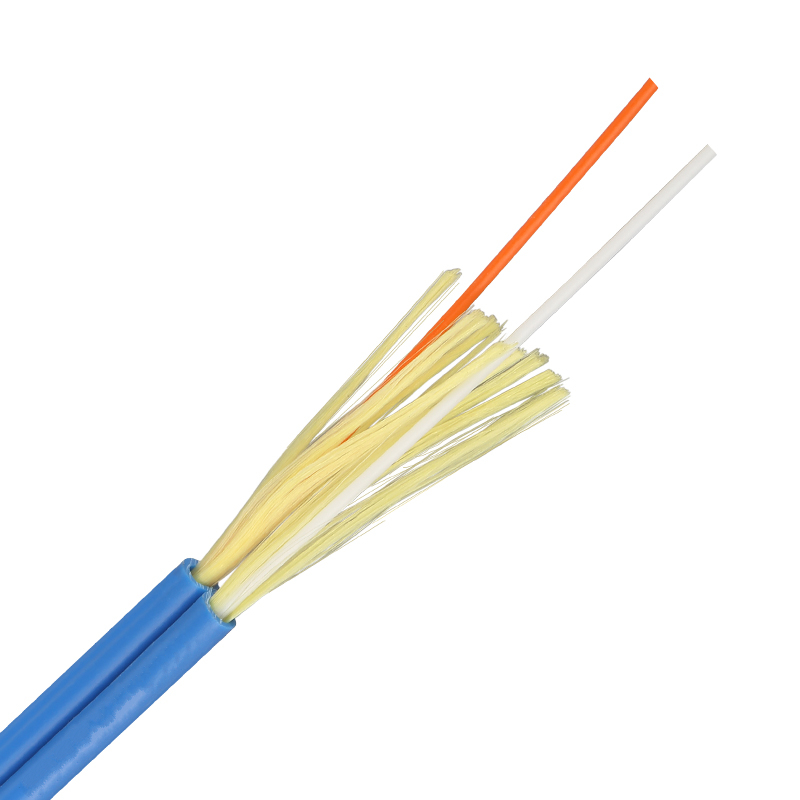
Fiber optic cable is a high-speed data transmission medium that uses thin glass or plastic threads to transmit digital information as pulses of light. Unlike traditional copper wiring, these cables are immune to electromagnetic interference and can carry massive bandwidths over long distances with minimal signal loss.
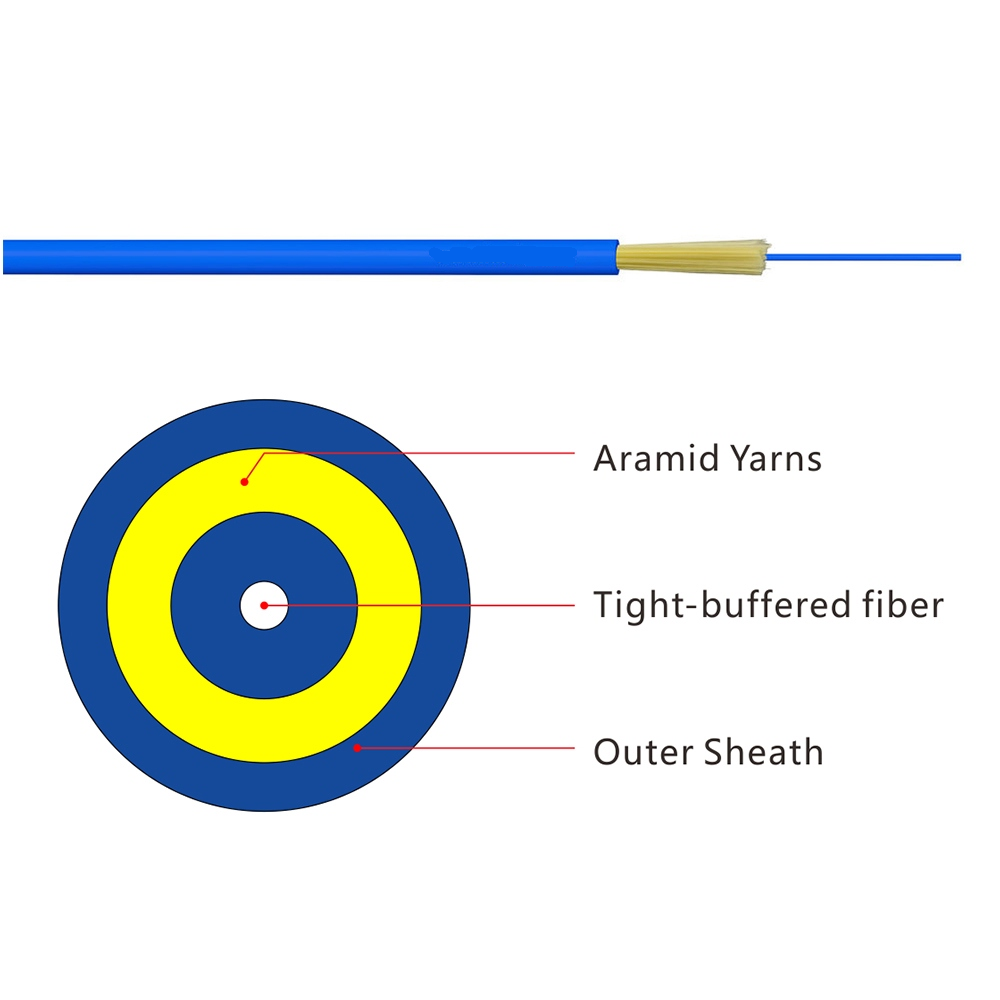
For modern infrastructure projects, choosing the right fiber optic cable solution is critical for ensuring network reliability and scalability. Whether you are deploying FTTH connections or industrial backbones, understanding the core components—such as single-mode vs. multi-mode fibers and various jacket materials—is essential for making informed procurement decisions.
Key Benefits for Buyers:
With over a decade of experience since 2010, Shenzhen Guangtong Optical Co., Ltd operates advanced production lines for SZ stranded, central tube, and ADSS cables. This capability ensures consistent batch quality and scalable output for large-scale orders.
Our products adhere strictly to ISO 9000 quality management systems. Materials comply with European Union directives and international regulations, reducing compliance risks for global distributors and project managers.
Trusted by partners in America, Europe, the Middle East, Southeast Asia, and the Pacific, our integrity-driven approach minimizes communication barriers and ensures smooth logistics for international shipments.
At GT-Optical, quality is not just an endpoint but a continuous process embedded in every stage of production. Our state-of-the-art testing equipment verifies the integrity of various fiber cable types, including all dielectric self-supporting (ADSS) cables and drop cables.
Compliance & Safety: All materials meet RoHS and EU directive standards, ensuring your projects avoid regulatory hurdles in strict markets. We prioritize environmental safety without compromising on durability or performance.
Production Capacity: Our specialized lines for SZ stranding and central tube designs allow us to handle complex custom specifications while maintaining tight lead times for urgent procurement needs.
Selecting the optimal fiber optic cable requires balancing technical specifications with your specific application environment. The choice between armored cables, air-blown fibers, and standard drop cables depends heavily on installation conditions, distance requirements, and budget constraints.
Single-Mode vs. Multi-Mode: Single-mode fibers are ideal for long-distance telecommunications and CATV signals due to their low attenuation. Multi-mode fibers are better suited for shorter runs within data centers or local area networks (LANs).
Environmental Factors: For outdoor aerial installations, consider All-Dielectric Self-Supporting (ADSS) cables that offer high tensile strength without metallic components. For direct burial or harsh industrial environments, armored fiber optic cables provide superior protection against rodents and crushing forces.
High-performance backbone cables support carrier-grade networks, ensuring stable voice, data, and video transmission across metropolitan areas.
Specialized drop cables and pre-terminated solutions accelerate "Fiber to the Home" installations, reducing labor costs and time-to-market for ISPs.
Armored and ruggedized fiber cables withstand extreme temperatures and electromagnetic noise, making them perfect for factory automation and power grid monitoring.
High-density patch cords and trunk cables facilitate efficient rack-to-rack connectivity, supporting the growing bandwidth demands of cloud computing.
Low-loss optical fibers deliver high-quality video signals over long distances, replacing traditional coaxial systems in HFC networks.
Robust outdoor cabling infrastructure supports IoT sensors, surveillance systems, and public Wi-Fi access points across urban landscapes.
Problem: Unexpected signal loss over short distances.
Solution: Verify connector cleanliness and ensure proper splicing techniques. Use high-quality pre-terminated cables from manufacturers like Guangtong Optical who perform rigorous insertion loss testing.
Problem: Cables failing in harsh environmental conditions.
Solution: Select appropriate jacket materials (e.g., HDPE for underground, LSZH for indoor). Always request material test reports (MTR) from suppliers to verify chemical resistance and UV stability.
Problem: Inconsistent lead times disrupting project timelines.
Solution: Partner with established manufacturers with proven production capacity. Guangtong Optical's integrated R&D and production facilities allow for faster turnaround on standard and custom orders.
Problem: Connectors or adapters not fitting existing infrastructure.
Solution: Clearly specify connector types (LC, SC, ST, FC) and polish types (UPC, APC) during procurement. Request samples before bulk ordering to ensure physical compatibility.
Why They Stand Out: As a high-tech company founded in 2010, GT-Optical combines research, development, and production under one roof. This vertical integration allows for tighter quality control and competitive pricing.
Product Range: From standard FTTH drop cables to specialized ADSS and armored variants, they offer a comprehensive portfolio suitable for diverse global markets.
Service Philosophy: Their commitment to "integrity management" translates into transparent communication and reliable delivery, key factors for successful B2B partnerships.
R&D Capability: Choose suppliers who invest in new technologies, such as air-blown fiber systems, to stay ahead of industry trends.
Testing Equipment: Ensure the manufacturer has in-house labs for OTDR testing, bandwidth verification, and environmental stress screening.
Global Experience: A supplier with a track record in multiple continents understands varying regulatory requirements and shipping logistics.
Armored fiber optic cable includes a metal sheath (usually stainless steel or aluminum) to protect against physical damage from rodents, crushing, or impact. It is ideal for direct burial or industrial settings. Non-armored cables are lighter and more flexible, suitable for indoor riser or plenum applications where physical threats are minimal.
We adhere to ISO 9000 quality management systems and use advanced production and test equipment. Every batch undergoes rigorous testing for attenuation, bandwidth, and environmental resistance. Materials comply with EU directives and international standards.
Yes, as a high-tech manufacturer with R&D capabilities, we offer OEM/ODM services. We can produce customized lengths, jacket colors, buffer tube configurations, and armor types to meet your specific engineering requirements.
Lead times depend on order volume and customization level. Standard stock items can be shipped quickly, while custom orders typically require 7-15 working days for production. We recommend planning ahead for large-scale deployments.
Absolutely. We have extensive experience exporting to America, Europe, the Middle East, Southeast Asia, and the Pacific states. Our products meet the necessary import regulations and certifications for these regions.
Privacy statement: Your privacy is very important to Us. Our company promises not to disclose your personal information to any external company with out your explicit permission.
Fill in more information so that we can get in touch with you faster
Privacy statement: Your privacy is very important to Us. Our company promises not to disclose your personal information to any external company with out your explicit permission.