


Please Leave Us A Message
Privacy statement: Your privacy is very important to Us. Our company promises not to disclose your personal information to any external company with out your explicit permission.




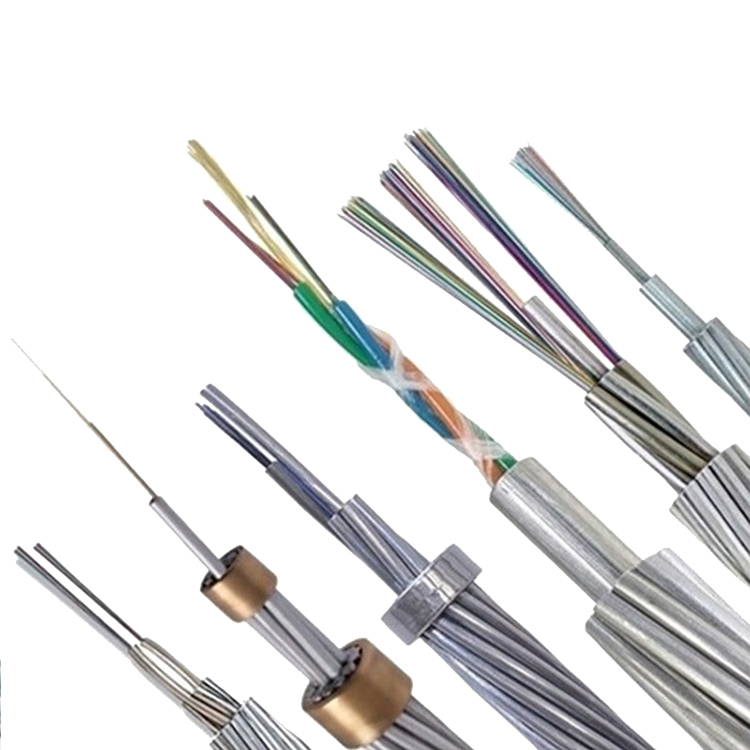
Optical Ground Wire (OPGW) is a specialized composite cable used in high-voltage power transmission lines that combines the dual functions of an earth wire and a communication medium. This critical infrastructure component protects your power grid from lightning strikes while providing high-bandwidth fiber optic connectivity for remote monitoring and control.
For utility companies and EPC contractors, choosing the right OPGW optical ground wire solution means ensuring both electrical safety and reliable data transmission across vast distances. Our advanced manufacturing process ensures that every meter of cable meets rigorous international standards for tensile strength, short-circuit capacity, and corrosion resistance.
Shenzhen Guangtong Optical Co., Ltd has been producing high-quality fiber optic solutions since 2010, bringing our expertise in OPGW manufacturing to global power infrastructure projects. Our cables are designed to withstand extreme environmental conditions while maintaining signal integrity for SCADA systems, protection relaying, and telecommunications networks.
Our OPGW manufacturing facility in Shenzhen employs state-of-the-art production equipment and testing instruments to ensure consistent quality across all cable types. From raw material selection to final delivery, every step of our OPGW cable production process is governed by strict quality management protocols.
We adhere to ISO 9000 quality management systems and comply with European Union directives and international regulations. Our commitment to excellence has earned us recognition from customers worldwide, with products exported to America, Europe, the Middle East, Southeast Asia, and Pacific states.
We source premium-grade aluminum alloy wires and stainless steel tubes that meet IEC and IEEE standards. Each batch undergoes chemical composition analysis and mechanical property testing before entering production.
Our SZ stranding technology ensures optimal fiber placement within the cable structure. Advanced tension control systems maintain consistent compaction, preventing fiber micro-bending and signal loss.
Every OPGW cable undergoes rigorous testing including tensile strength tests, short-circuit capacity verification, bend radius measurements, and optical performance checks before shipment.
Selecting the appropriate OPGW cable specifications requires careful consideration of your power line's electrical requirements, mechanical loads, and communication needs. The wrong choice can lead to premature failure, excessive maintenance costs, or inadequate bandwidth for future expansion.
Our engineering team works closely with procurement specialists to recommend OPGW solutions tailored to your specific voltage level, span length, and environmental conditions. Whether you're building new transmission lines or upgrading existing infrastructure, we provide comprehensive technical support throughout the selection process.
Calculate the maximum fault current your line must withstand. Higher kA ratings require more conductive material, affecting both cost and weight. We help you balance performance requirements with budget constraints.
Consider span lengths, ice loads, wind pressures, and temperature extremes. Our structural engineers analyze your route conditions to recommend the optimal strength-to-weight ratio for long-term reliability.
Determine current and future communication needs. We offer configurations ranging from 12 to 288+ fibers, with options for single-mode, multi-mode, or specialized sensing fibers depending on your application.
Before finalizing your OPGW cable purchase order, use this comprehensive checklist to ensure you're making an informed decision that minimizes risk and maximizes value for your utility project.
Standards Compliance: Verify that proposed OPGW meets IEC 60794-4-1, IEEE 1138, or relevant local standards for your region.
Material Certificates: Request mill certificates for all aluminum alloys and stainless steel components used in cable construction.
Test Reports: Obtain third-party test reports for tensile strength, short-circuit capacity, and optical attenuation measurements.
Manufacturing Capability: Assess factory size, equipment modernity, and production capacity to ensure timely delivery for large orders.
International Experience: Prefer suppliers with proven export experience to your region, understanding local regulatory requirements.
After-Sales Support: Confirm availability of technical assistance, installation guidance, and warranty coverage for your OPGW investment.
Utility procurement professionals frequently encounter challenges when sourcing OPGW cables internationally. Understanding these common pitfalls helps you avoid costly mistakes and ensure smooth project execution.
Many buyers select OPGW based solely on tensile strength, overlooking short-circuit capacity requirements. When fault currents exceed cable ratings, the conductor can suffer thermal damage, leading to service interruptions and expensive replacements.
Solution: Calculate maximum fault current for your entire network, including contribution from adjacent linesStandard aluminum-clad steel OPGW may deteriorate rapidly in salt-laden atmospheres. Buyers often discover corrosion issues years after installation, requiring premature replacement at significant cost.
Solution: Specify stainless steel tube design or enhanced corrosion protection for coastal installationsUnderestimating future communication needs leads to insufficient fiber counts. Upgrading OPGW after installation requires complete replacement, making initial overspecification far more economical than post-installation upgrades.
Solution: Plan for 50% additional fibers beyond current requirements to accommodate future expansionOPGW suspension clamps, splice sleeves, and grounding kits must match the exact cable diameter and construction. Using generic accessories can cause mechanical stress points and compromise electrical continuity.
Solution: Order all accessories from the same supplier as the OPGW cable to ensure compatibilityAs a specialized manufacturer with over a decade of experience in fiber optic communications, Guangtong Optical offers distinct advantages for utility buyers seeking reliable OPGW optical ground wire solutions.
Operating since 2010 with dedicated production facilities in Shenzhen
Our integrated manufacturing approach controls every aspect of OPGW production, from wire drawing to final testing. This vertical integration ensures consistent quality while reducing lead times compared to trading companies.
ISO 9000 certified with EU directive compliance
Our quality management system exceeds industry standards, with comprehensive documentation and traceability for every cable batch. This certification provides peace of mind for international procurement compliance requirements.
Proven track record across multiple continents
With successful deliveries to America, Europe, Middle East, Southeast Asia, and Pacific states, we understand diverse market requirements and regulatory frameworks. Our logistics expertise ensures safe, timely delivery worldwide.
Engineering assistance throughout project lifecycle
Our technical team provides detailed cable calculations, installation guidance, and troubleshooting support. We work closely with your engineering department to optimize OPGW specifications for your specific application.
Get answers to the most common questions about OPGW optical ground wire procurement, installation, and performance from our technical experts.
High-quality OPGW cables are designed for a minimum 25-year service life under normal atmospheric conditions. In corrosive environments such as coastal areas or industrial zones, proper material selection (stainless steel tube design) can extend this lifespan to 30+ years. Regular inspection intervals should be established based on local pollution levels and climate conditions.
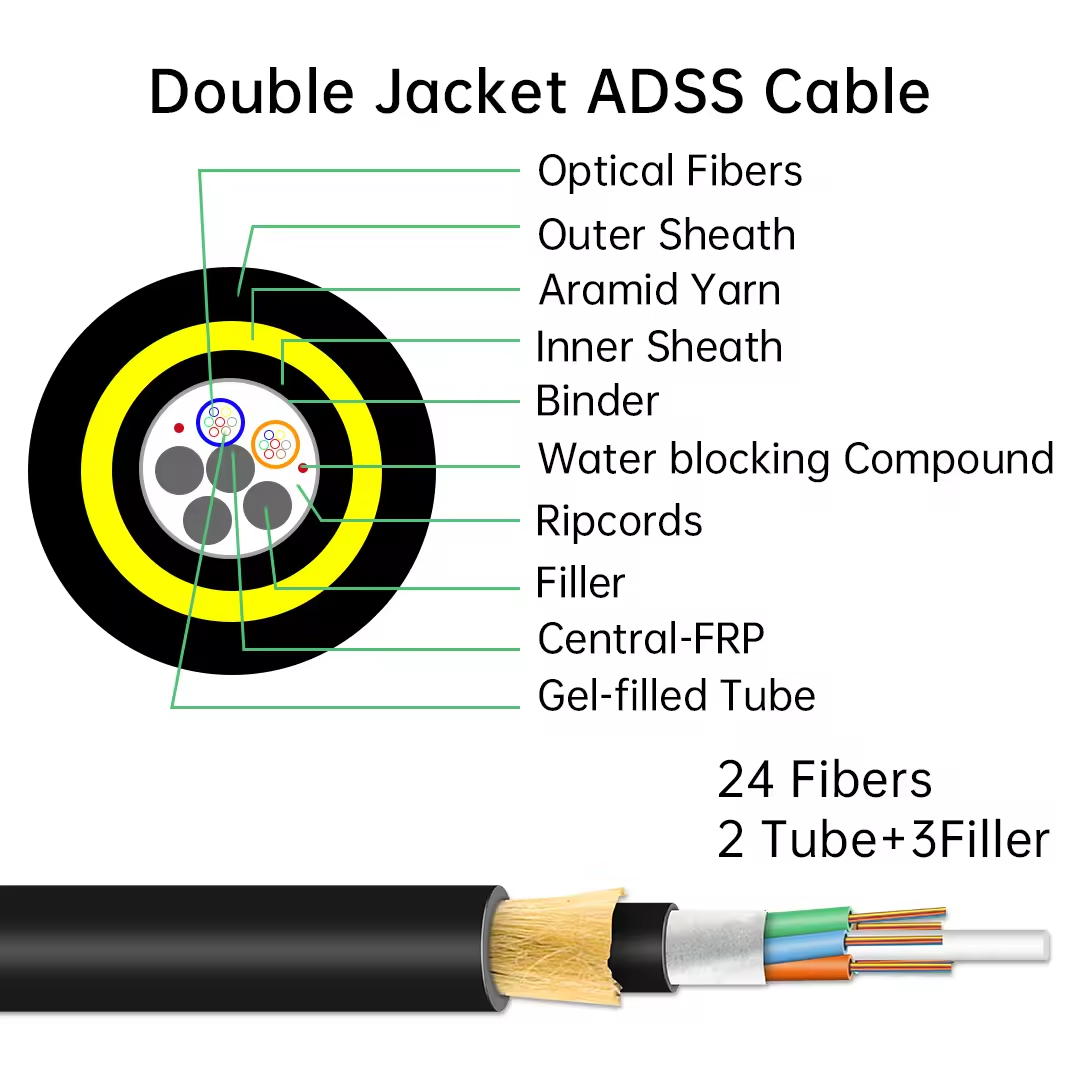
OPGW serves dual purposes as both an earth wire and communication medium, installed on the top of transmission towers. ADSS (All-Dielectric Self-Supporting) cables contain no metallic elements and are typically suspended between towers. OPGW offers superior lightning protection and higher short-circuit capacity, making it ideal for new high-voltage installations where both protection and communication are required.
Standard OPGW configurations typically require 4-6 weeks for production. Custom designs with special fiber counts, unique mechanical properties, or specific corrosion protection requirements may take 6-8 weeks. We recommend initiating procurement discussions at least 8-10 weeks before your installation schedule to account for engineering coordination and potential modifications.
Yes, OPGW uses standard single-mode or multi-mode optical fibers that can be spliced and terminated using conventional fiber optic equipment. However, special attention must be paid to the mechanical protection of fibers at termination points due to the cable's metallic construction. We provide detailed termination guidelines and recommend using our compatible accessory kit for optimal performance.
Every OPGW cable undergoes comprehensive testing including: tensile strength verification, short-circuit capacity calculation validation, optical attenuation measurement, bend radius testing, and dimensional accuracy checks. Third-party testing agencies can witness these tests upon request. All test results are documented and provided with each shipment for quality assurance purposes.
Privacy statement: Your privacy is very important to Us. Our company promises not to disclose your personal information to any external company with out your explicit permission.
Fill in more information so that we can get in touch with you faster
Privacy statement: Your privacy is very important to Us. Our company promises not to disclose your personal information to any external company with out your explicit permission.