


Please Leave Us A Message
Privacy statement: Your privacy is very important to Us. Our company promises not to disclose your personal information to any external company with out your explicit permission.


Fiber optic material refers to the core components used in optical communication systems, primarily high-purity silica glass or plastic fibers designed to transmit data as pulses of light.
In modern telecommunications, fiber optic material is the backbone of high-speed internet and long-distance data transmission. Unlike traditional copper cables that use electrical signals, these materials utilize photons, offering significantly higher bandwidth and lower signal loss over long distances.
The essential structure consists of a core (where light travels), a cladding (which reflects light back into the core), and a protective coating. The choice between single-mode and multi-mode fiber depends on your specific distance and bandwidth requirements.
Selecting the right fiber optic material ensures network reliability and future-proofing. High-quality silica glass minimizes attenuation, reducing the need for repeaters and lowering total cost of ownership (TCO) for large-scale infrastructure projects.
Shenzhen Guangtong Optical Co., Ltd has been a trusted manufacturer since 2010, specializing in R&D and production of high-performance fiber communication products. Our commitment to integrity and quality makes us an ideal partner for global procurement teams.
Our manufacturing process strictly adheres to ISO 9000 quality management systems. This ensures consistent batch quality, reducing your risk of defective inventory and supply chain disruptions.
From FTTH drop cables to ADSS and armored cables, we offer a one-stop solution. Simplify your procurement workflow by sourcing diverse fiber types from a single reliable partner.
We have successfully exported to America, Europe, Middle East, Southeast Asia, and Pacific states. Our experience ensures compliance with international shipping and regulatory standards.
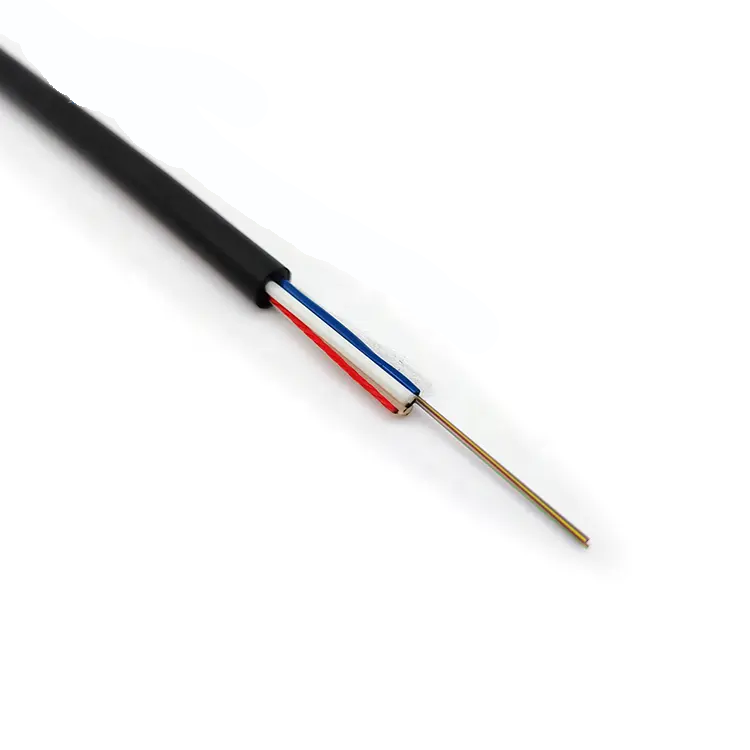
GT-Optical utilizes state-of-the-art production and test equipment capable of manufacturing various fiber cable types, including SZ stranded cables, central tube cables, and all-dielectric self-supporting (ADSS) cables.
Every batch undergoes rigorous testing according to ISO 9000 standards. We ensure that materials comply with European Union directives and local regulations in target markets, minimizing customs clearance risks for importers.
As a high-tech company, we continuously invest in research and development to improve fiber performance. This commitment allows us to offer innovative solutions like air-blown fiber and specialized FTTH drop cables that meet evolving market demands.
Selecting the correct fiber type depends on your specific use case. For short-distance, high-bandwidth needs like data centers, multi-mode fiber is often cost-effective. For long-distance telecom or FTTH deployments, single-mode fiber offers superior performance.
Outdoor installations require robust protection. Consider armored cables for underground ducts to resist rodent damage and crushing forces. For aerial spans, ADSS cables provide necessary tensile strength without additional support wires.
Ensure the supplier's materials meet international standards such as IEC or TIA/EIA. Compliance not only guarantees performance but also simplifies the certification process for your end customers.
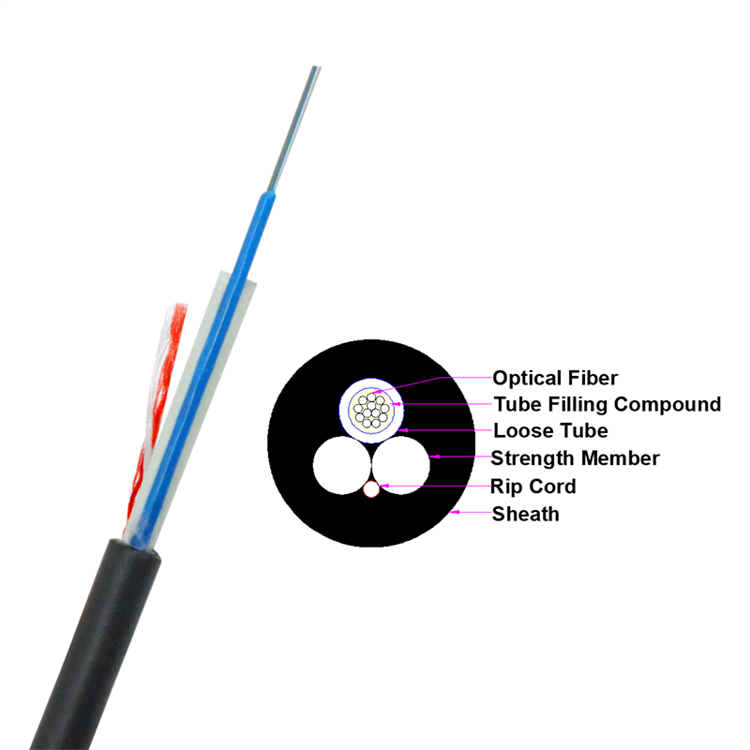
Use this checklist to evaluate potential suppliers and mitigate procurement risks when sourcing fiber optic materials.
Procurement buyers often face challenges related to quality inconsistency and logistical delays. Here are common issues and how to avoid them.
Low-quality glass can cause significant signal loss. Always request sample testing results before placing bulk orders to ensure signal integrity over long distances.
Outdoor cables may degrade due to UV exposure or moisture. Verify that jackets meet LSZH (Low Smoke Zero Halogen) or PE standards for environmental resistance.
Variations between production batches can disrupt installation. Partner with manufacturers who have strict QC processes and provide batch-specific test certificates.
Fiber optic technology is versatile, serving critical roles across multiple industries requiring high-speed, reliable data transmission.
Backbone networks and FTTH (Fiber to the Home) deployments rely on single-mode fibers for long-distance, high-bandwidth connectivity. ADSS cables are preferred for aerial spans.
High-density MPO/MTP cables and OM3/OM4 multi-mode fibers enable rapid data transfer between servers. Low latency and high bandwidth are critical here.
Armored fiber cables protect against EMI/RFI interference in harsh industrial environments, ensuring stable communication for machinery and control systems.
Urban infrastructure uses distributed sensor networks and high-capacity backbones for traffic management, security, and public services.
When selecting a fiber optic supplier, prioritize partners who demonstrate technical expertise, quality assurance, and global experience.
A good supplier offers engineering support for cable design and installation. Look for companies that provide detailed specifications and application guidance.
Ensure the manufacturer holds relevant certifications (ISO, CE, RoHS) and complies with EU directives. This reduces compliance risks for your projects.
Large orders require reliable capacity. Visit the factory or request a virtual tour to verify equipment and production lines.
Experience in your region indicates familiarity with local standards and logistics. Ask for references from existing clients in your area.
Single-mode fiber has a smaller core (typically 9 microns) and allows only one mode of light to propagate, making it ideal for long-distance, high-bandwidth applications. Multi-mode fiber has a larger core (50 or 62.5 microns) and is suitable for shorter distances, such as within a building or data center.
For outdoor use, select cables with Polyethylene (PE) jackets for excellent UV and moisture resistance. If rodents are a concern, consider armored cables with steel tape or wire armor. For indoor-to-outdoor transitions, LSZH (Low Smoke Zero Halogen) jackets are often required for safety.
Key certifications include ISO 9001 for quality management, ISO 14001 for environmental management, and product-specific certifications like CE, RoHS, and UL. These ensure the supplier meets international standards for quality, safety, and environmental compliance.
Yes, specialized armored fiber optic cables are designed for harsh environments. They offer protection against electromagnetic interference (EMI), extreme temperatures, and physical damage. Always specify the environmental conditions to your supplier for the right recommendation.
Lead times vary based on order volume and customization. Standard cables may ship within 7-15 days, while custom configurations or large volumes may take 30-45 days. Discuss your timeline with the supplier early to plan accordingly.
Privacy statement: Your privacy is very important to Us. Our company promises not to disclose your personal information to any external company with out your explicit permission.
Fill in more information so that we can get in touch with you faster
Privacy statement: Your privacy is very important to Us. Our company promises not to disclose your personal information to any external company with out your explicit permission.