


Please Leave Us A Message
Privacy statement: Your privacy is very important to Us. Our company promises not to disclose your personal information to any external company with out your explicit permission.


A fiber blowing machine price represents the initial investment in compressed air technology used to install optical fiber into sub-ducts without physical pulling forces. This method, also known as pneumatic fiber placement or air-jet cable installation, uses controlled airflow to gently push pre-connectorized fiber units through existing infrastructure ducts.
For procurement professionals managing FTTH (Fiber To The Home) deployments, understanding this equipment is critical. Traditional mechanical pulling risks damaging delicate fiber strands during high-tension installations. A fiber blowing machine eliminates that risk by using air pressure to slide micro or mini fibers through protective conduits with minimal friction.
Shenzhen Guangtong Optical Co., Ltd has specialized in fiber communication products since 2010. Our expertise spans air blown fiber solutions, FTTH drop cables, and advanced fiber optic fusion splicers. We help buyers select the right fiber blowing machine specifications that match their duct infrastructure and deployment scale.
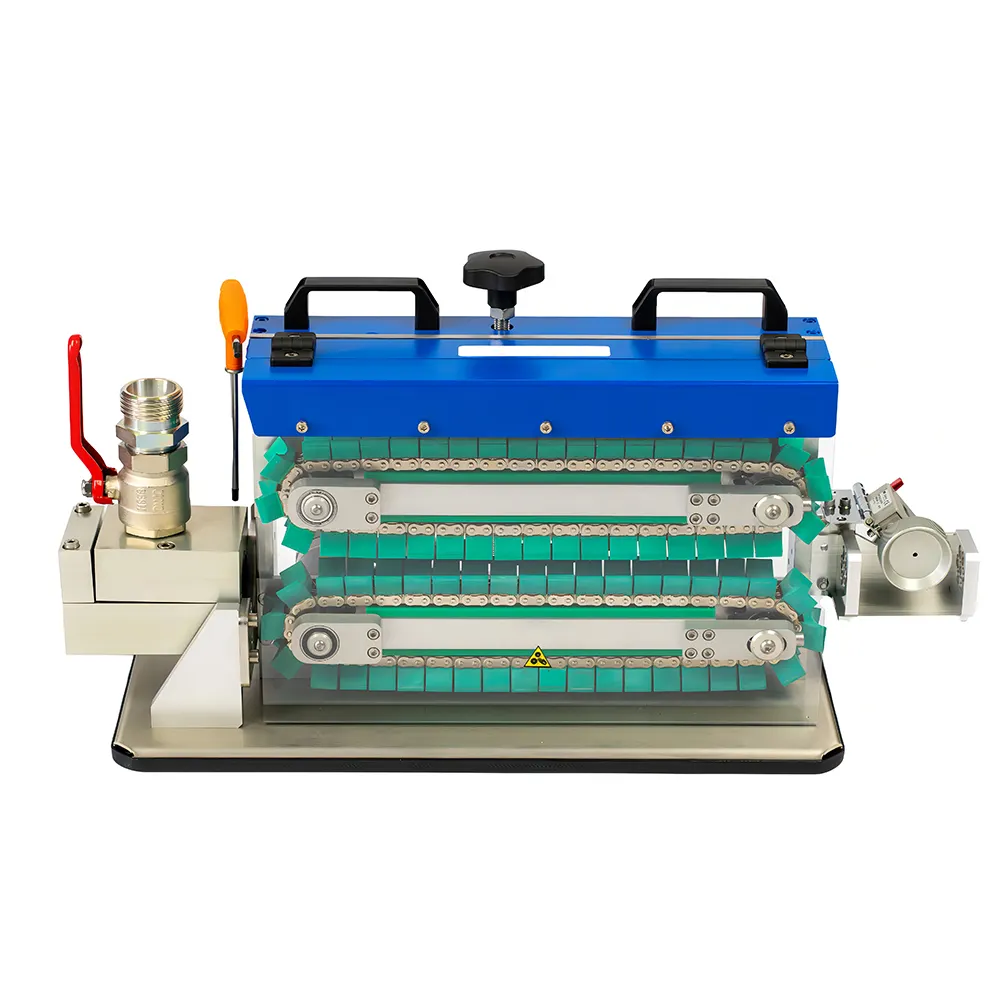
Every component of our fiber blowing machines undergoes strict quality control aligned with ISO 9000 standards. This means consistent performance batch after batch, reducing your risk of field failures during large-scale FTTH rollouts.
Materials comply with European Union directives and international regulations. For global buyers, this ensures regulatory compliance across multiple markets including America, Europe, the Middle East, Southeast Asia, and Pacific states.
Our Shenzhen facility uses state-of-the-art production and test equipment for all fiber cable types — from SZ stranded cables to central tube cables and ADSS cables. This integrated capability means you get a fiber blowing machine designed specifically for the cables you already use.
Different duct lengths require different air pressure capabilities. Shorter runs under 500 meters may only need a standard unit, while longer backbone installations demand high-pressure blowers capable of pushing fiber over extended distances. Selecting the wrong specification leads to incomplete installations and costly rework.
Ensure the machine's nozzle system supports your specific fiber cable diameter — whether you are deploying micro cables, mini loose tubes, or pre-connectorized assemblies. Mismatched hardware causes jams and fiber damage in the field.
The fiber blowing machine price is just one factor. Consider maintenance costs, spare part availability, operator training requirements, and expected lifespan. A slightly higher upfront cost often pays back through reduced downtime and fewer failed installations.
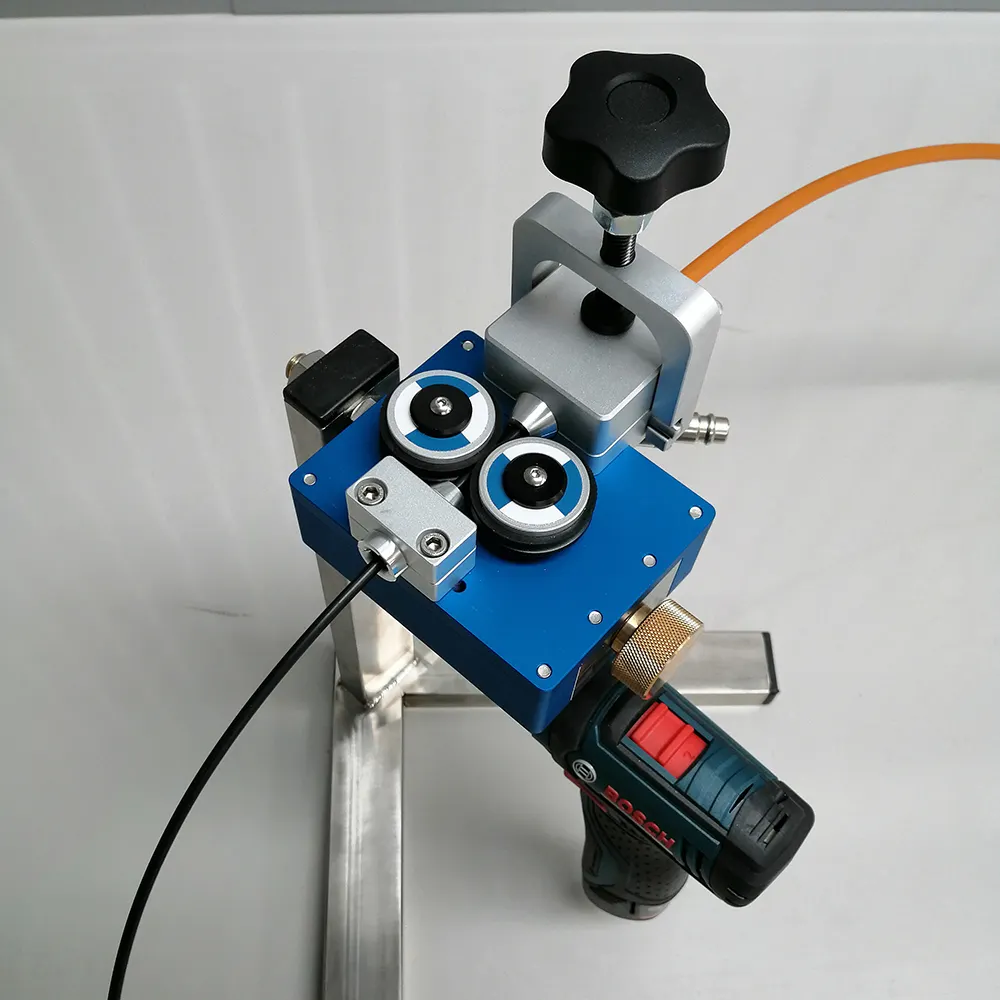
Use this checklist before committing to any fiber blowing machine supplier. Each item addresses a common procurement pain point that can impact your project timeline and budget.
Procurement teams frequently encounter these challenges when deploying fiber blowing machines. Understanding them upfront saves time, prevents costly field failures, and protects your project schedule.
Jamming occurs when air pressure is insufficient for the duct length or when cable diameter exceeds the nozzle capacity. This halts progress and can damage fiber coatings.
Solution:Pre-installation duct inspection, correct nozzle selection, and maintaining steady air pressure throughout the blow cycle prevent most jamming incidents.
Some machines deliver varying results depending on ambient temperature, humidity, or compressor output fluctuations. This inconsistency makes project planning unreliable.
Solution:Choose equipment with automatic pressure regulation and real-time monitoring. GT-Optical machines include precision regulators that maintain stable output regardless of environmental conditions.
High-frequency use accelerates wear on contact surfaces. Buyers who underestimate replacement frequency face unexpected downtime and emergency shipping costs.
Solution:Order a maintenance kit alongside your machine. Use genuine OEM replacement parts rather than third-party alternatives to ensure proper fit and performance longevity.
When evaluating suppliers for fiber blowing machines, consider proven track record, product breadth, and commitment to integrity. GT-Optical meets these criteria across every metric that matters to B2B buyers.
Founded in 2010 and based in Shenzhen, GT-Optical brings more than ten years of specialized experience in fiber communication products. This longevity translates to refined engineering and reliable supply chains.
Beyond fiber blowing machines, we manufacture fiber optic cables, armored cables, ADSS cables, air blown fiber, FTTH drop cables, and fusion splicers. One supplier for your entire deployment ecosystem simplifies procurement and reduces coordination overhead.
Our products serve customers across America, Europe, the Middle East, Southeast Asia, and Pacific states. International shipping experience means smoother logistics, proper documentation, and competitive freight terms for your fiber blowing machine order.
These answers address the most common questions from procurement buyers evaluating fiber blowing machines for their projects.
The fiber blowing machine price depends on air pressure capacity, maximum blowing distance, compatibility with your specific cable types, built-in monitoring systems, and included accessories like nozzle kits and maintenance tools. Higher-capacity units for long-distance backbone installations naturally carry a higher price tag than compact units for short FTTH drops.
No. Different machines are optimized for specific cable diameters and constructions. Micro cables, mini loose tubes, and pre-connectorized assemblies each require appropriate nozzle configurations. GT-Optical provides guidance to match your machine configuration with the exact cable type you plan to deploy, ensuring smooth installation without jams.
Air blowing applies significantly less tension to the fiber strand, reducing the risk of attenuation increase or physical damage. It also enables faster installation over longer distances and works well in congested ducts where pulling would be difficult. For large-scale FTTH deployments, air blowing typically delivers lower total installed cost per meter compared to mechanical methods.
Regular maintenance includes inspecting and replacing worn nozzles and seals, cleaning air filters, checking compressor connections, and verifying pressure gauge accuracy. GT-Optical recommends keeping a spare parts kit on hand and performing preventive maintenance checks between major deployment cycles to avoid unexpected field failures.
Yes. We offer comprehensive operator training to ensure your team achieves optimal installation results. Training covers safe operation procedures, nozzle selection, troubleshooting common issues, and routine maintenance protocols. Both on-site and remote training options are available depending on your location and deployment schedule.
Standard lead times vary based on machine configuration and order volume. GT-Optical maintains inventory of popular configurations for faster delivery. For custom specifications or bulk orders, lead times are communicated transparently during the quoting process so you can plan your deployment timeline accurately.
Privacy statement: Your privacy is very important to Us. Our company promises not to disclose your personal information to any external company with out your explicit permission.
Fill in more information so that we can get in touch with you faster
Privacy statement: Your privacy is very important to Us. Our company promises not to disclose your personal information to any external company with out your explicit permission.