


Please Leave Us A Message
Privacy statement: Your privacy is very important to Us. Our company promises not to disclose your personal information to any external company with out your explicit permission.


A Fiber Blowing Machine is a specialized piece of equipment used in fiber optic network installation to insert loose tube cables into existing underground ducts using compressed air or gas. This method, known as "air blowing," allows for the rapid deployment of microducts and optical fibers over long distances without the physical strain associated with traditional pulling methods.
For procurement managers overseeing FTTH (Fiber to the Home) projects, choosing the right blowing machine ensures that your infrastructure team can install high-density fiber cables efficiently, reducing labor costs and minimizing the risk of cable damage during insertion. These machines are critical for expanding broadband access in dense urban environments where duct space is limited.
Shenzhen Guangtong Optical Co., Ltd. provides advanced fiber communication products designed to meet the rigorous demands of modern network construction, ensuring reliability and performance from the first meter to the last.
At Shenzhen Guangtong Optical Co., Ltd., quality is not just an outcome but a core philosophy. As a high-tech company established in 2010, GT-Optical adheres strictly to the ISO 9000 quality management system. This rigorous framework ensures that every component of our fiber blowing machines and related equipment meets international standards for durability and precision.
Our manufacturing process utilizes advanced production and test equipment, allowing us to control every stage of development—from R&D to final assembly. Materials used in our products comply with European Union directives and various international regulations, ensuring safety and environmental responsibility.
With a commitment to "integrity management" and "attractive quality," our machines are built to withstand the harsh conditions of field installation, providing consistent performance for global distributors and contractors in America, Europe, the Middle East, Southeast Asia, and the Pacific states.
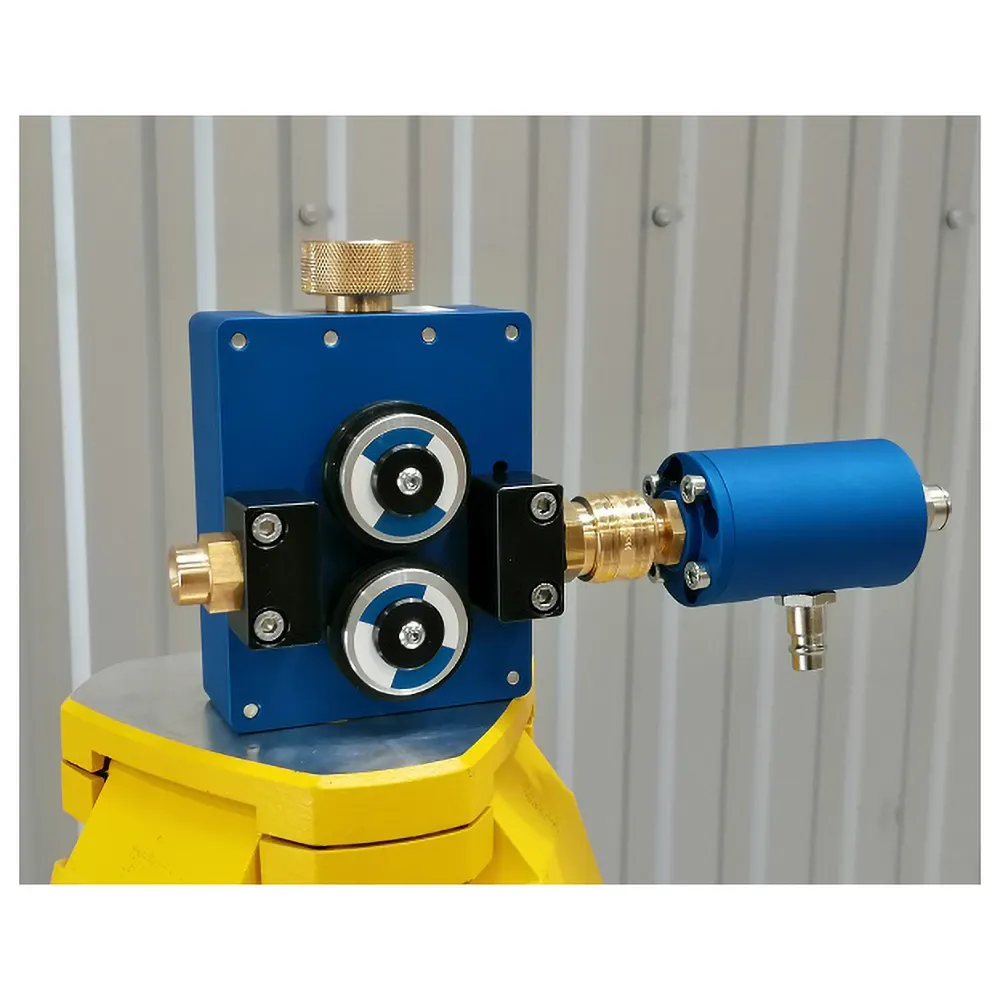
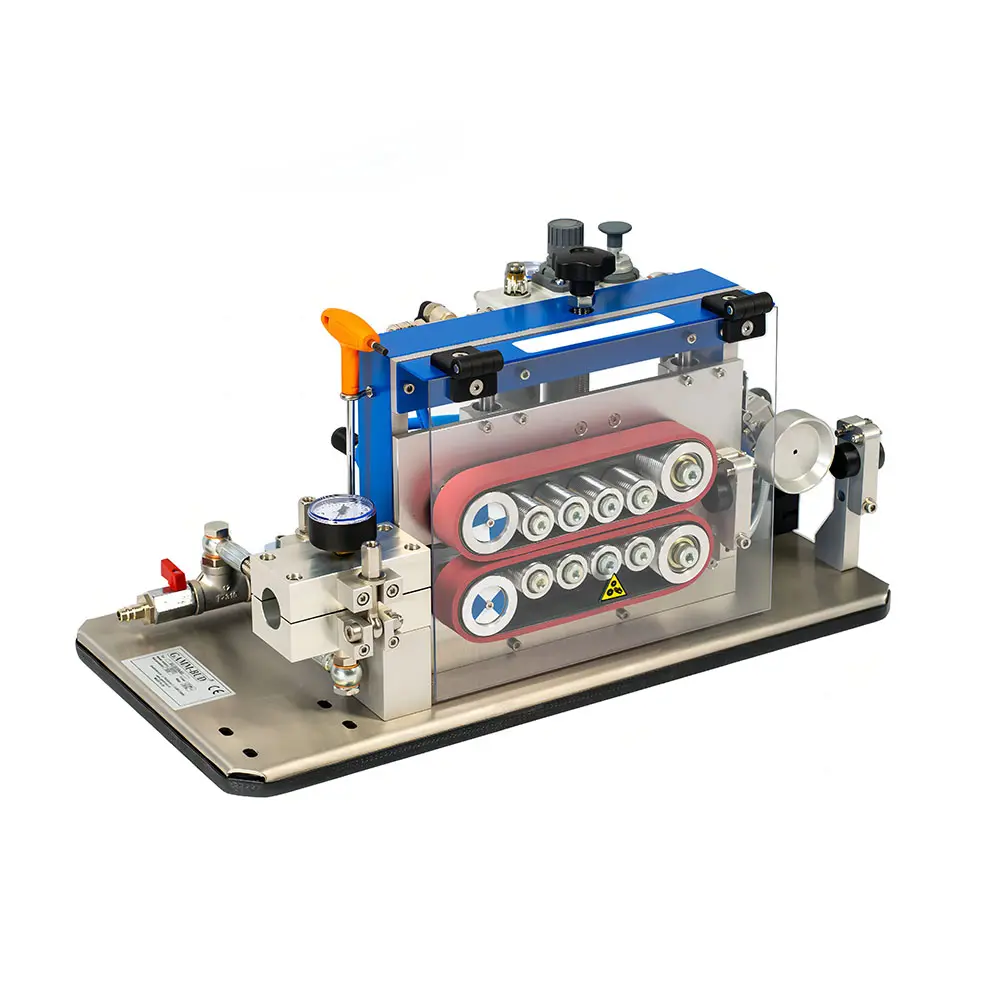
Selecting the optimal fiber blowing machine requires a detailed understanding of your project's specific duct dimensions, cable types, and distance requirements. Buyers should prioritize machines that offer adjustable air pressure and flow rates to accommodate different cable diameters and lengths without causing friction damage.
Key factors to evaluate include:
By focusing on these technical parameters, you ensure that your investment in fiber installation equipment delivers long-term value and operational efficiency.
Use this checklist to evaluate potential suppliers and ensure your fiber blowing machine purchase aligns with your operational goals.
Does the machine meet the specific pressure and flow requirements for your duct network? Check for compatibility with ISO standards.
Verify that the manufacturer operates under ISO 9000 or similar quality management systems to guarantee product consistency.
Confirm production lead times and stock availability to ensure your project timeline is not delayed by equipment supply issues.
Ensure the supplier provides comprehensive warranty terms and accessible after-sales service for maintenance and repairs.
Check for complete user manuals, technical drawings, and compliance certificates (CE, RoHS) provided with the equipment.
Evaluate the supplier's track record in exporting to your region to minimize logistical and communication risks.
When sourcing fiber optic equipment, look for a partner who combines technological innovation with proven manufacturing capabilities. Based on industry standards, here is what defines an ideal supplier for fiber blowing machines.
The best suppliers, like Shenzhen Guangtong Optical, invest heavily in research and development. This ensures their equipment stays ahead of technological curves, offering features like precise pressure control and ergonomic designs that improve worker safety and efficiency.
Choose a supplier with a proven track record of exporting to diverse markets such as Europe, America, and Southeast Asia. This experience indicates familiarity with international shipping, customs regulations, and varying technical standards across regions.
A recommended supplier must adhere to strict quality management systems like ISO 9000. This commitment guarantees that every unit shipped meets consistent performance benchmarks, reducing the likelihood of field failures and costly replacements.
Look for companies that emphasize "integrity management" and view customers as long-term partners. This approach translates to better communication, responsive support, and tailored solutions that address your specific procurement needs.
Fiber blowing technology is versatile and essential for various telecommunications infrastructure projects. Understanding these applications helps buyers identify the right equipment for their specific market segment.
In Fiber-to-the-Home networks, blowing machines are used to install drop cables and distribution fibers into tight residential ducts. Speed and precision are critical here to meet consumer demand for high-speed internet quickly.
For city-wide backbone networks, large-capacity blowing machines handle longer distances and higher cable counts. These machines are vital for laying the foundational infrastructure that supports urban connectivity.
High-density data centers require precise cable management. Blowing techniques allow for efficient routing of fiber cables within raised floors and overhead trays, supporting scalable IT infrastructure.
Service providers use these machines to extend broadband coverage to underserved rural and suburban areas, leveraging existing duct infrastructure to lower the cost of deployment per household.
Standard fiber blowing machines can typically blow cables over distances ranging from 500 meters to several kilometers, depending on the duct condition, cable diameter, and air pressure settings. Advanced models from manufacturers like Guangtong Optical are engineered to maximize efficiency over long hauls, reducing the need for intermediate boosting stations.
Yes, most modern fiber blowing machines are versatile enough to handle various cable types, including loose tube cables and microducts. However, it is important to adjust the air pressure and flow rate settings according to the specific cable specifications to prevent damage during installation.
Regular maintenance includes checking air filters, lubricating moving parts, and inspecting hoses for wear and tear. Following the manufacturer's guidelines, such as those provided by Shenzhen Guangtong Optical, ensures longevity and consistent performance. Proper maintenance also helps in identifying potential issues before they cause downtime on site.
Absolutely. Our products are manufactured under strict ISO 9000 quality management systems and comply with European Union directives. We ensure that all materials and processes meet international safety and performance standards, making our equipment suitable for global deployment.
Air blowing is generally faster and less labor-intensive than traditional pulling. It reduces friction and tension on the cable, minimizing the risk of damage. Additionally, blowing allows for the installation of longer cable segments in one go, which increases overall productivity and lowers labor costs for large-scale projects.
Privacy statement: Your privacy is very important to Us. Our company promises not to disclose your personal information to any external company with out your explicit permission.
Fill in more information so that we can get in touch with you faster
Privacy statement: Your privacy is very important to Us. Our company promises not to disclose your personal information to any external company with out your explicit permission.